

Hospitals, laboratories, and pharmacies have various types of loads every day. By choosing the right autoclave, it will be possible to handle them properly and ensure the standard sterilization process. However, there are several factors need to consider when buying this equipment. A professional horizontal automatic rectangular autoclave manufacturer can help to select the appropriate model to address the specific needs of an organization.
High-pressure steam is used in both the horizontal rectangular and the horizontal cylindrical autoclave to sterilize material that can be sterilized. The major distinction between the two is the loading chamber. Understanding these differences is very helpful for choosing the right type of machine.
What is a Horizontal Rectangular Autoclave?
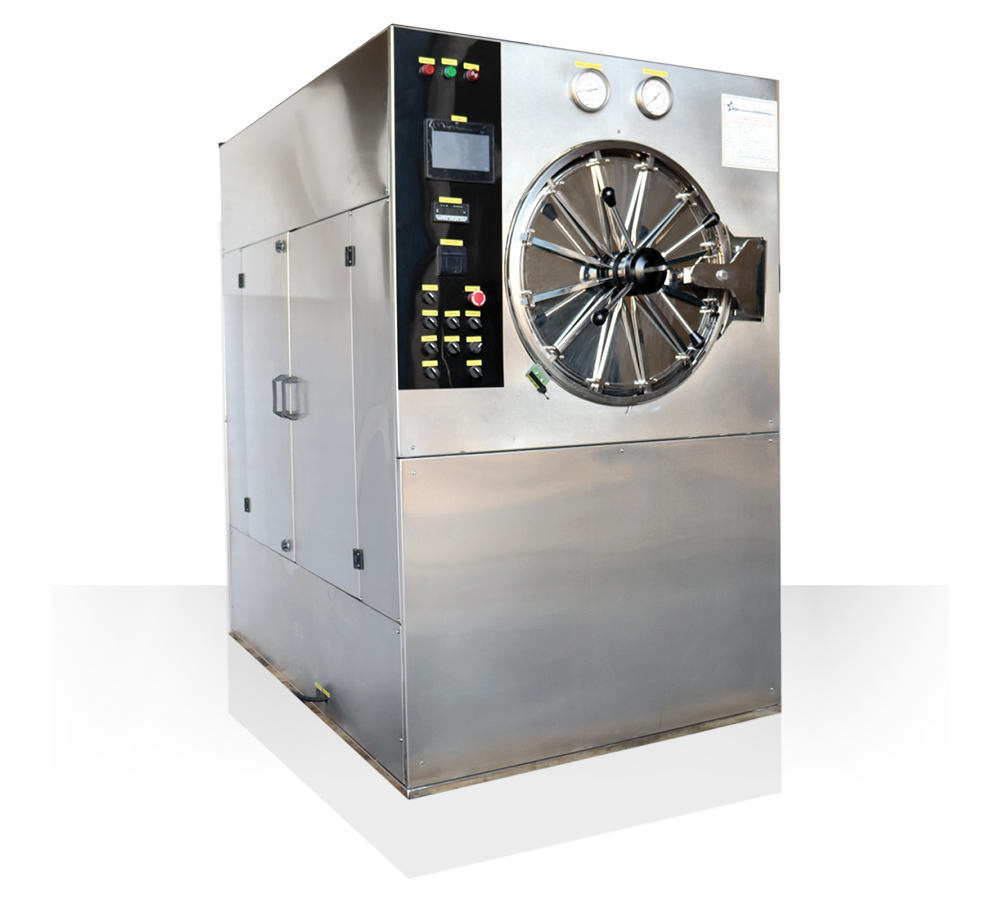
A horizontal rectangular autoclave features a box-shaped chamber that is used for steam sterilization. It may be easier to position trays, packaged instruments, containers and other compatible loads due to its shape. The unit can have a hinged door or an automatic sliding door, depending on the model.
Hospitals and central sterile supply (CSS) departments that handle a diverse array of loads may think about rectangular systems. The dimensions of the chamber and the doors should match the handling equipment, layout of the facility and daily capacity needs.
What is a Horizontal Cylindrical Autoclave?
A horizontal cylindrical autoclave is a cylindrical chamber with a curved surface that is able to withstand internal pressure. It is suitable for use in healthcare, laboratory and pharmaceutical applications for appropriate sterilization loads. The loading configuration for it will vary depending upon the diameter of the chamber, length and door configuration.
The cylindrical shape might be appropriate for the facilities where compatible loads are being processed in baskets, trays or containers with a regular frequency. The usable capacity of a chamber is determined by the dimensions and loading of the chamber and not by the external shape of the chamber only.
The two designs have some big differences. Here are the major differences between the two designs.
Chamber Shape and Loading
Some trays and packaged products can be easily accommodated in rectangular chambers. Baskets and loads created to accommodate the inside of a cylindrical chamber might be suitable. The two designs must be loaded properly to provide good steam circulation.
Space and Installation
Considerations include machine size, door swing, access to service and room size. Before buying, determine the installation space and ensure that personnel can easily load, unload, clean and maintain the equipment in a safe manner.
Capacity and Daily Workload
Both designs cannot be considered as the best for all facilities. Relate chamber volume to number and type of loads moved each shift. If loads can be prepared and processed accordingly, a larger chamber will decrease the number of cycles needed.
Automation and Safety
Both can provide programmable cycles, temperature and pressure monitoring, vacuum systems, drying functions and door safety interlocks. There are several features which depend on the particular model and therefore they ought to check out technical specs thoroughly.
How to Choose the Right Design
• Before selecting equipment, assess the facility’s requirements:
• Identify the instruments and materials to be sterilized.
• Calculate the approximate volume of load and maximum demand each day.
• Measure the dimensions and loading accessories of the chamber.
• Verify compatibility of cycles and required documentation.
• Check safety devices, access and services.
• Compare installation requirements and expenses.
These checks can assist purchasing teams to make equipment comparisons based on real needs and not just the first price tag.
Choosing a Suitable Manufacturer
A reliable supplier must give information regarding specification, configuration information, as well as install and maintain the equipment. Make sure that before purchasing, you get information about the volume of the chamber, control systems, working conditions, validation services, and spare parts.
When looking for a horizontal automatic rectangular autoclave manufacturer, one has to find out if the equipment will meet their demands.
Map Industries produces horizontal rectangular and cylindrical autoclaves for medical laboratories and pharmaceutical industries. Before making a purchase, make sure you know the specification of your choice.
Conclusion
Steam sterilization is not only possible with rectangular autoclaves, but also in cylindrical autoclaves, provided the autoclave is selected, installed and operated properly. This depends on the dimensions of the load, the number of cycles per day, space availability, and staff workflow. By taking a careful comparison, facilities make suitable investment in the proper equipment.
When you are choosing from different options, consider the horizontal cylindrical autoclave manufacturer and check the cylindrical versions before buying. You should contact Map Industries regarding this matter.
FAQs
The selection will be dependent on the type of load, load capacity, and layout of space.
Yes, it depends on the load and model of sterilization equipment.
Yes. Items are compatible in terms of shape.
Automation is different for different models.
Review capacity, cycle compatibility, safety, and installation requirements.
Contact Map Industries to discuss your facility’s sterilization requirements and explore suitable rectangular and cylindrical autoclave options.