

If someone thinks about sterilization in the hospital, probably steam sterilizers and other sterilization equipment comes to mind first. However, getting an instrument ready to use involves more than just sterilization. After sterilization, an instrument should be cleaned, checked, packed and stored. Proper care of each stage will guarantee that an instrument is protected and ready for the next usage.
In this context, CSSD disposable items can become an essential part of the process. Sterilization indicators, packaging materials, process challenge devices and many other products can become helpful in the routine work of a Central Sterile Supply Department (CSSD). They are usually small products; however, they can help to organize the routine sterile processing.
What Are CSSD Disposable Items?
CSSD disposable items are consumable products used in preparation, sterilization and handling of medical instruments. They can include sterilization monitor, packaging materials and Process Challenge Devices (PCDs).
These products are used along with sterilization equipment to support different stages of sterile processing. Choosing the proper products will make it possible to monitor sterilization cycles, pack instruments correctly and protect processed instruments till the moment they are needed.
Why Do CSSD Disposable Items Matter?
After sterilization cycle is complete, an instrument still requires careful handling. In this context, appropriate disposable products will become an integral part of the whole process.
Support Monitoring Sterilization
Sterilization monitors make it easier for the hospital staff to check whether sterilization process has been completed successfully. For busy healthcare facilities, regular monitoring will help to follow an organized process and maintain consistency in the daily routine of the hospital workers.
Protecting Instruments after Sterilization
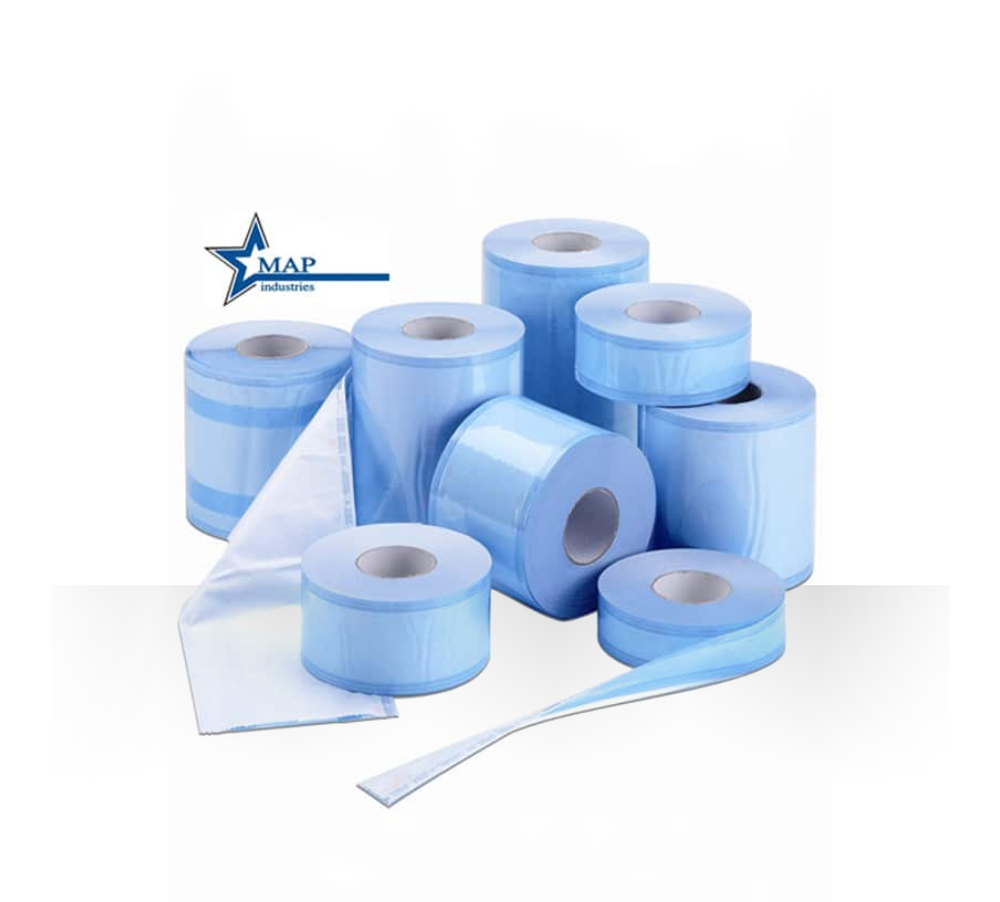
Once instruments are sterilized, they should remain protected during handling and storage. Packaging materials can help to create the barrier between the processed instruments and the surrounding environment.
In case if the facility uses ETO sterilization, it is possible to use suitable ETO packing materials to prepare medical instruments before sterilization process. In this way, packaging will become an integral step to protect instruments till they are needed.
Making Daily CSSD Work Easier
CSSD workers usually have to deal with a great number of instruments every day. Having proper consumables always at hand can simplify their work and make it more convenient.
If packaging materials, indicators and other products are chosen according to the requirements of the facility, they can become a useful tool for the consistent sterile processing workflow.
Benefits of Choosing the Right CSSD Disposables
Choosing suitable disposable products can provide some practical benefits for the hospitals:
- Better monitoring – indicators help the hospital workers to control sterilization processes;
- Instrument protection – packaging will help to protect processed instruments during handling and storage;
- More convenient workflow – easily available consumables can support the regular CSSD activities;
- More organization – proper packaging and monitoring will help the workers to manage instruments in a systematic way;
- Multifaceted approach – hospitals can choose the equipment according to their sterilization process and day-to-day requirements. It is especially helpful in the healthcare facilities, where medical instruments are processed frequently.
These benefits can be especially useful for the hospitals and healthcare centers, where instruments are processed frequently.
Where Are CSSD Disposable Items Used?
CSSD disposable products are commonly used in hospitals, clinics, nursing homes, medical laboratories and other healthcare facilities, where instruments are cleaned and sterilized.
These products are used along with such equipment as autoclaves, ETO sterilizers, ultrasonic washers, washer-disinfectors during the sterilization process. Each product supports different stages of preparation of the instruments for their safe use.
Choosing the Right CSSD Disposable Products
Suitable sterilization supplies should be chosen according to the sterilization process, type of the instruments, packaging requirements and daily workflow of the facility.
Reliability and compatibility are also important criteria. The product that is suitable for the intended application will make everyday CSSD activities more convenient and organized. Cooperation with an experienced supplier will help healthcare facilities to choose products according to their requirements.
Conclusion
Safe sterile processing includes not only sterilization, but packaging, monitoring, handling and storage as well. CSSD disposable items support all these activities and help healthcare workers to maintain an organized workflow.
For healthcare facilities, choosing suitable consumables along with reliable sterilization equipment will help to make routine CSSD operations more convenient and efficient.
FAQs
CSSD disposable items are consumable products used in preparation and sterilization of medical instruments. They can include indicators, packaging materials and other sterile processing products.
Proper packaging will help to protect sterilized instruments from contamination while they are handled or stored. It will also help to guarantee that the instruments are ready to be used when they are required.
Sterilization indicators will give the chance to the hospital workers to check whether the sterilization process has been completed under the required conditions.
CSSD disposable products are commonly used in hospitals, clinics, nursing homes, medical laboratories and other healthcare facilities, where instruments are regularly cleaned, sterilized and prepared for use.
Yes. MAP Industries provides CSSD disposable products as well as sterilization and other CSSD equipment for healthcare facilities.