

Dentists use various tools to perform oral exams, cleanings, fillings, root canals, and oral surgery. These instruments are exposed to patient’s saliva, blood and other materials. If they are not cleaned and sterilized properly, there is a chance that potentially harmful microorganisms can survive on their surfaces, and spread the risk of cross-infection. Due to this reason, the proper instrument processing is a crucial aspect of regular dental work.
An Automatic Autoclave Sterilizer is an instrument that assists dental professionals in sterilizing appropriate reusable instruments under pressure at specific temperatures. Automated cycles simplify the ability to maintain a consistent process, keep track of operating conditions and process records. When selecting equipment, infection control clinics must also select equipment that is appropriate and follow approved methods of sterilisation.
Why Sterilization Matters in Dental Clinics
Microorganisms can be transferred to dental instruments after use, even if they appear clean. Dirt and organic matter are removed by cleaning and microorganisms are destroyed by the validated process when it is completed correctly. These are both required.
The dental team is supposed to observe the manufacturers’ recommendations and also the infection control standards. The instruments have to be cleaned, tested, wrapped (where necessary), and also packed properly before sterilization. Over packing the chamber or packing the instruments poorly will prevent steam from penetrating all surfaces. Excessive loading of the chamber, or positioning of instruments incorrectly can stop steam from reaching all surfaces.
How Automatic Autoclaves Support Infection Control
Some critical steps in the autoclave sterilisation cycle are automated using programmed controls. It can control temperature, pressure, holding time and drying, depending on the model.
The typical process includes:
Preparation
Instruments are cleaned and inspected before loading.
Loading
Instruments are arranged to allow steam circulation and penetration.
Sterilization
The selected cycle exposes compatible items to the required steam conditions.
Drying
If a drying stage is selected for the cycle, moisture is removed.
Verification
Staff checks cycle records and all the indicators necessary before the load is released.
These are steps to assist in a repeatable workflow, but not automation of staff. This should be done for each load following validated instructions for instruments and sterilizer.
Features Dental Clinics Should Consider
During equipment selection, the dentist should take into account the number of instruments processed daily, available space, instrument cycle requirements and the type of instruments. The model should offer good controls, monitoring, and safety components appropriate to the clinic’s requirements.
Useful features may include:
- Programmable Cycles for approved loads.
- Temperature and pressure displays.
- Cycle records for documentation.
- Door safety interlocks.
- Vacuum and drying operations, as appropriate.
- Accessible service and maintenance support.
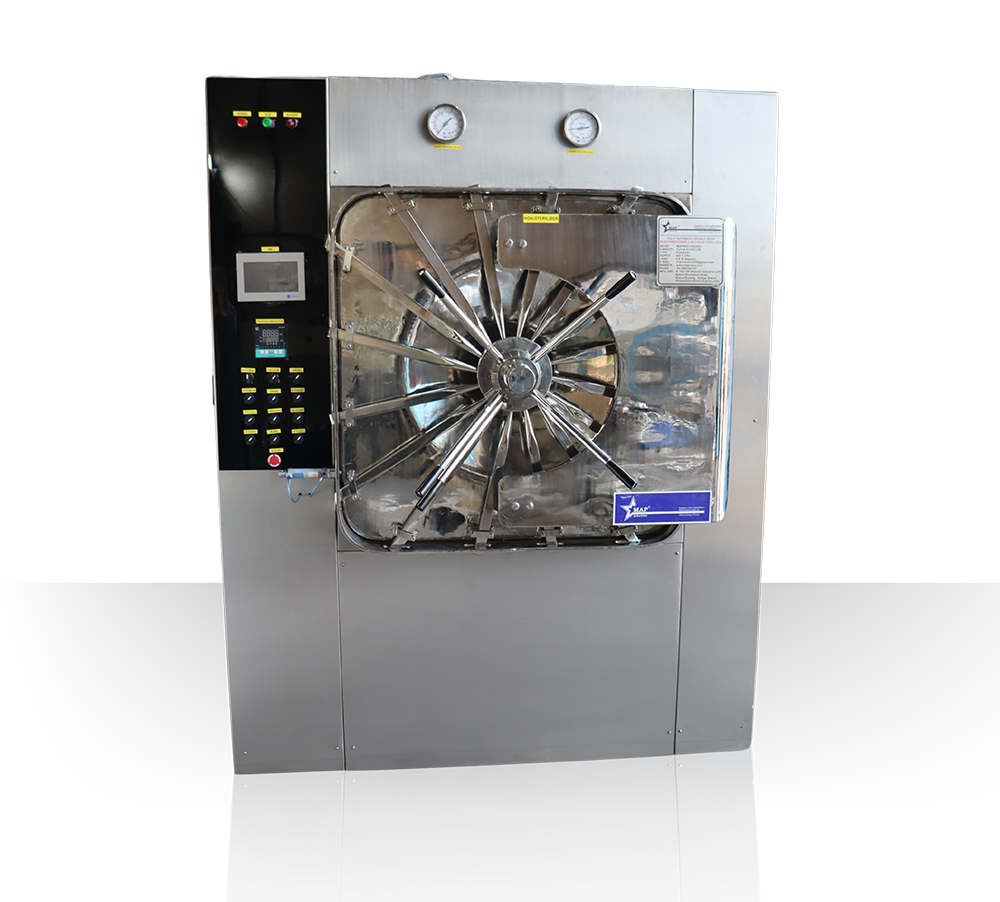
A vacuum system can be used to either evacuate air from the chamber or aid the penetration of steam into appropriate packaged or complex loads. The correct cycle, however, will depend on the instrument, the packaging and the configuration of the sterilizer.
Supporting Dental Sterilization with Suitable Equipment
HPHV Automatic Autoclave Sterilizer from Map Industries are microprocessor-based, programmed and include vacuum pulsing and drying. These functions might be useful for sterilization workflows where appropriate healthcare environments. A dental clinic must verify chamber volume, cycle suitability, and guidelines provided by the manufacturers in the selection of a sterilizer.
Besides, the sterilization section has to be properly planned, and this involves having proper cleaning and packaging facilities, and trained personnel. Segregation of clean and dirty instruments prevents any breakage of the sterile chain.
Common Mistakes to Avoid
Even good equipment cannot correct poor handling practices. Don’t put dirty instruments directly into the sterilizer, pack too tightly, choose the wrong cycles, or store wet packs in the sterilizer. Staff should also refrain from releasing loads when results of the cycles are not complete or the monitoring requirements are not fulfilled.
Maintenance and testing will help detect any issues at an early stage. Clinics need to maintain the service record and comply with the directions provided by the equipment manufacturer.
Conclusion
A proper dental infection control is possible through the use of regular cleaning, loading, validated sterilization procedures and proper storage. The Automatic Autoclave Sterilizer would be able to assist the dental health professionals in managing these activities effectively depending on the nature of the equipment.
Map Industries offers equipment for sterilization of medical applications. Consider the available specifications and consult the company regarding your needs before choosing any option.
FAQs
It sterilizes suitable instruments by using pressurized steam.
No, sterilization is done after the necessary cleaning process.
No, always refer to the instrument manufacturer’s directions.
Dry packs are used to preserve the integrity of the packages during storage.
Perform maintenance according to manufacturer’s maintenance guidelines and applicable guidance.
Talk to Map Industries about the right autoclave for your dental sterilization application.