

Sterilization is essential in hospitals, laboratories, and pharmaceutical facilities where reusable equipment must be processed safely. Microorganisms can remain on instruments, glassware, dressings and other compatible materials after use. This risk can be minimised with a reliable sterilisation process which promotes safe working practices. The selection of appropriate equipment is related to the nature of the product, the capacity needed and the amount of work that the facility is required to undertake on a day-to-day basis.
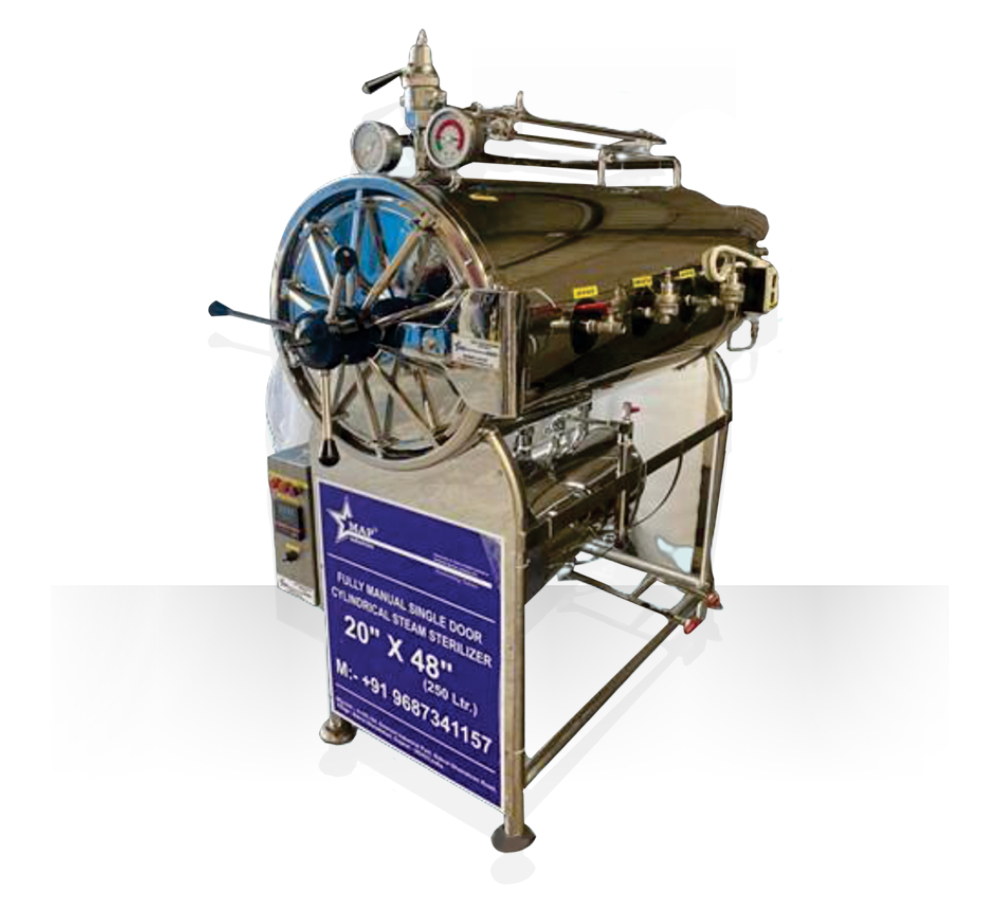
A horizontal cylindrical autoclave is a machine that is used to sterilize suitable products in a closed container under pressure. Depending on the model, it can be arranged horizontally, making it possible to load and unload materials via an end door. Important cycle settings such as temperature, pressure and timing are automatic. Knowing the inner workings of the machine helps the facility manager make an informed decision when buying it.
What Is a Horizontal Cylindrical Steam Autoclave?
A horizontal cylindrical steam autoclave is a pressure vessel used for steam sterilization. It is a device in which the load is kept in its chamber and controlled steam and heat are applied to kill microorganisms. Healthcare, research and pharmaceutical organizations use these systems.
The unit can contain a stainless steel chamber, steam generator, pressure gauge, temperature sensor, safety valve and control panel. Each model & application has different components & capacities.
How Does the Sterilization Process Work?
The sterilisation process is undertaken in a number of controlled steps. The cycle should be the same as the instruments, packaging, and manufacturer’s validated instructions.
Loading and Chamber Preparation
Staff clean and check the items before putting them into the chamber. Packing should be avoided because the steam should be able to reach the surfaces that are being sterilized. Appropriate trays and loading procedures promote good steam circulation.
Air Removal and Steam Admission
The machine may incorporate vacuum pulses or other air removal method because air can get in the way of steam contact. Steam is now introduced and flows to the load. This will vary depending on the type of sterilizer and cycle chosen.
Temperature and Pressure Control
As the programmed conditions are being achieved, the controller performs a check on the operations. Some common steam sterilization cycles are 121°C and 134°C, with the exposure time and temperature determined based on validated cycles and loads. Pressure is used to raise the steam to the required temperature, but this is not enough to prove that the steam has been sterilized. Proper exposure and good steam contact are critical.
Exhaust and Drying
Once the exposure stage, the steam is slowly extracted. Some autoclaves use vacuum drying technology for the removal of moisture in compatible loads. It is important that personnel allow the process to run to completion and then release the load.
Important Features to Consider Before Purchase
When evaluating a horizontal cylindrical autoclave, remember there is more to consider than just the chamber size.
Important features include:
- Chamber capacity and available installation space.
- Automatic or programmed cycles.
- Monitoring of temperature and pressure.
- Pressure safety devices, door interlocks.
- Vacuum and drying functions, where required.
- Documentation and technical support for cycling.
These features are good for day-to-day use but should be determined according to the facility’s needs and the applicable standards.
Applications in Healthcare and Industry
The horizontal cylindrical steam autoclave is capable of sterilizing the suitable surgical equipment, dressings, linen, glassware, and other similar objects. In case of pharmaceutical and laboratory work, more validation and documentation may be required.
Map Industries can supply autoclaves in the form of horizontal cylinders or rectangular tanks for healthcare, laboratory, or pharmaceutical applications. The autoclave can be automated to include specific control and safety functions and have various cycle options that should be reviewed before buying.
Maintenance and Safe Operation
Seals, doors, sensors, and safety mechanisms should be checked in accordance with the manufacturer’s timetable. Maintenance is necessary to spot wear in advance so that it would not interfere with operations. The operators must keep records of cycles, carry out necessary monitoring, and alarm in case of need.
A pressurized chamber or safety interlock must never be opened. Only authorized personnel may operate or service this equipment.
Conclusion
A horizontal cylinder-type steam autoclave is one that consists of a closed chamber, steam under pressure, controlled exposure, and, if possible, drying capabilities to facilitate sterilization. Proper loading, correct cycle selection, and maintenance make for reliable operation. Knowing the needs of the facility will help buyers make their choices.
Map Industries provides solutions for autoclaves for institutions. Explore the specifications provided and contact the technical team.
FAQs - Frequently Asked Questions
It sterilizes using steam pressure, material-compatible.
Cycles can be performed at 121°C or 134°C, whichever is validated.
Some load surfaces may be effectively kept dry using air.
No. Time, temperature, steam contact and monitoring are also factors.
Yes. Please adhere to the manufacturer’s inspection and service schedule.
Talk to Map Industries about horizontal autoclaves for your facility.