

Sterilization is one of the processes of everyday routine in hospitals. Surgical instruments, equipment, and other medical things have to be cleaned and prepared properly before being put into use again. And the proper CSSD set-up can ensure the efficient performance of this process.
Central Sterile Supply Department is a dedicated department that includes a series of processes of cleaning, preparation, sterilization, storing and supplying medical instruments and equipment for different departments in a hospital. And instead of considering the sterilization process as a single activity, CSSD provides a special system for handling instruments from the moment when they are brought for processing until the moment when they are put into use.
What Is a CSSD?
A Central Sterile Supply Department is a dedicated department of a hospital that performs the processes of preparation and supplying sterile medical instruments and equipment for different departments of the hospital. These departments may be operating rooms, emergency sections, wards, and other clinical sections of a hospital.
The aim of this is to organize the flow of instruments that are used and returned to the CSSD department for processing, storing and supplying for further use.
What Is Included In a Hospital CSSD?
CSSD is not an instrument or workstation. It is the complex of the equipment, furniture and supporting systems that perform this process.
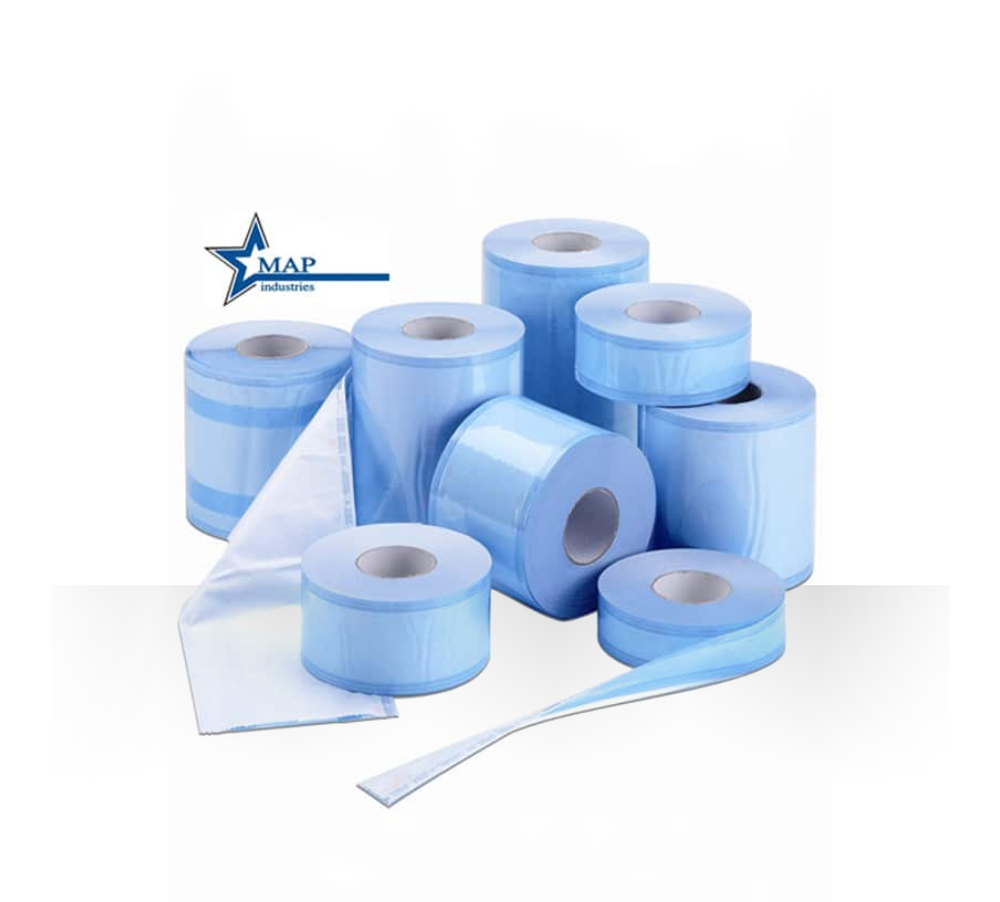
Depending on the requirements of the hospital, the CSSD equipment may include autoclaves, ETO sterilizers, ultrasonic washers, washer disinfectors, pass boxes, CSSD furniture and sterilization consumables. All of these products are included in the CSSD equipment range offered by Map Industries.
Each of these pieces of equipment serves a certain purpose. Washers perform the cleaning process, sterilizers – the sterilization process, pass boxes – the controlled material transfer, while proper furniture provides the place for inspection, preparation, packing and storage.
Why Is Proper Planning Of the Department So Important?
Apart from the proper equipment, the arrangement of the CSSD department is also important. The flow of instruments has to be organized so that no confusion and disruptions appear during the process.
Planning of the department as a whole system includes the following: the identification of the requirements of the hospital, the architectural planning of the department, equipment provision, training of the staff, documenting the process and the monitoring of the processes. Map Industries provides also assistance with the civil structure, plumbing, electrical requirements, ventilation, lighting, and air-compression lines.
This is how important the proper planning of the CSSD as a complete system can be.
Key Equipment Used In A CSSD
Depending on the requirements, workload, space and types of services, hospitals may need different equipment. Some common equipment that can be considered for the use includes:
Autoclaves: used for the steam sterilization of suitable medical instruments and supplies.
Washer Disinfectors: help to automate the process of cleaning and disinfection of reusable instruments.
Ultrasonic Washers: help with the cleaning process, especially of those instruments that need thorough cleaning.
ETO Sterilizers: provide the low-temperature sterilization option for suitable medical devices and materials.
Pass Boxes: allow transferring the material between controlled areas without reopening the connecting doors.
CSSD Furniture: includes worktables, inspection and packing tables, trolleys and storage facilities for CSSD activities. Map Industries provides stainless-steel CSSD furniture for inspections, sorting, packing and distribution of instruments.
How Does the CSSD Workflow Look Like?
It is possible to define the workflow of the CSSD department in hospital, easily by tracking the movement of instruments.
First, used instruments reach the designated receiving or decontamination area. Then they are cleaned and inspected and moved to the preparation and packing stage. After that the suitable sterilization process takes place.
Then the processed sterile items need to be handled and stored carefully and provided for the required hospital department. Such organization of the process ensures the proper workflow of the instruments at different stages of this process.
What Should Be Considered By Hospitals Before Creating a CSSD?
Every hospital has different requirements and therefore there is no single CSSD set-up that will be suitable for every hospital. The number of beds, surgical workload, and available space, types of procedures and volume of instruments to be processed can affect the planning process.
Hospitals should consider not only their current workload but also the future requirements. Therefore, a proper CSSD set-up for hospitals should provide enough space for equipment, personnel movement, storage, and the workflow while allowing for the future expansion.
Choosing the equipment that will correspond to the requirements of the facility is just as important. The aim of this is to create the system that would provide for the proper workflow of the equipment, furniture and other parts of the system.
Building a More Organized Sterile Supply System
Even though CSSD is not very visible, its work contributes to many areas of hospitals. Preparing the surgical instruments and supplying sterile items for different departments of a hospital – every step is connected to the efficient workflow of a hospital.
Properly planned turnkey CSSD solution for hospitals combines the proper equipment with the proper layout planning, trained personnel and the processes. It is not just about buying some sterilization machines; it is about organizing the process.
Conclusion
A good CSSD includes cleaning, preparation, sterilization, storage, and distribution in one organized system. Having the proper combination of the equipment and planning allows the hospitals to create an efficient approach to dealing with reusable medical instruments.
For hospitals that want to establish a new CSSD or upgrade the existing one, working with a specialist company can be helpful. A complete CSSD set-up for hospitals can be planned taking into consideration the current requirements of the facility and its future requirements.
FAQs
A CSSD performs the processes of processing, sterilizing, storing and supplying medical instruments and other reusable items for different departments of a hospital.
Depending on the requirements of the hospital, the equipment can include autoclaves, ETO sterilizers, washer disinfectors, ultrasonic washers, pass boxes, CSSD furniture and other consumables for CSSD.
The practical layout ensures the proper workflow and makes it easy for the personnel to handle the instruments at different stages of cleaning, preparation, sterilization, storage and distribution.
Yes. Planning of CSSD can take into consideration such factors as the size of the hospital, workload, available space, types of procedures and future requirements.
The CSSD turnkey solution can include many aspects of establishing a CSSD, including identification of the requirements, planning, equipment selection, assistance with installation, training of the staffing and documenting the process. Map Industries provides a turnkey solution for CSSD projects in hospitals.